Dental fillings
Quiet repair for a small problem — before it becomes a big one.
A cavity is one of the most common things I treat, and a filling is one of the kindest, simplest ways to fix it. If you've been putting it off, please don't worry — catching decay early usually means an easy, comfortable visit.
What it is
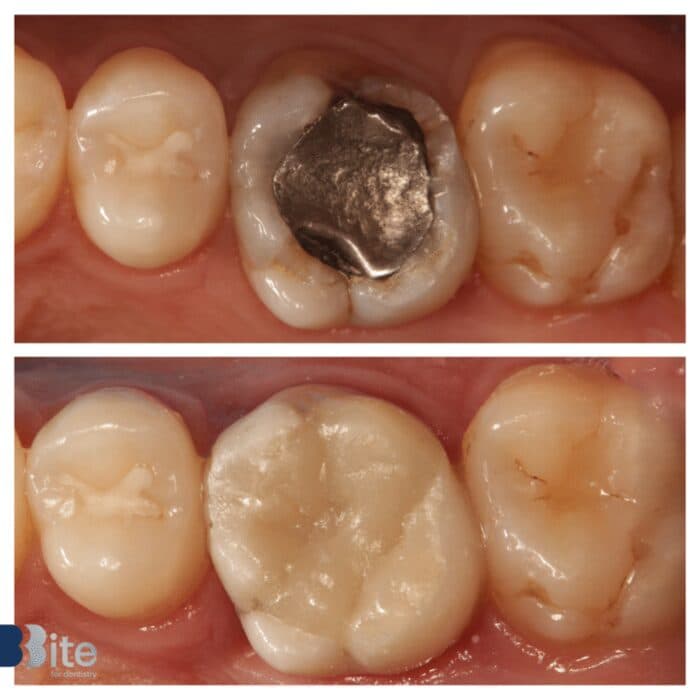
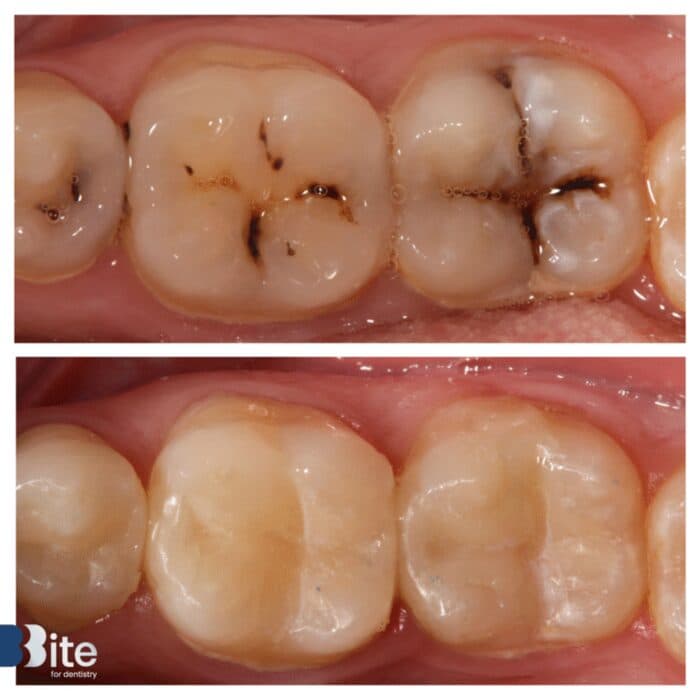
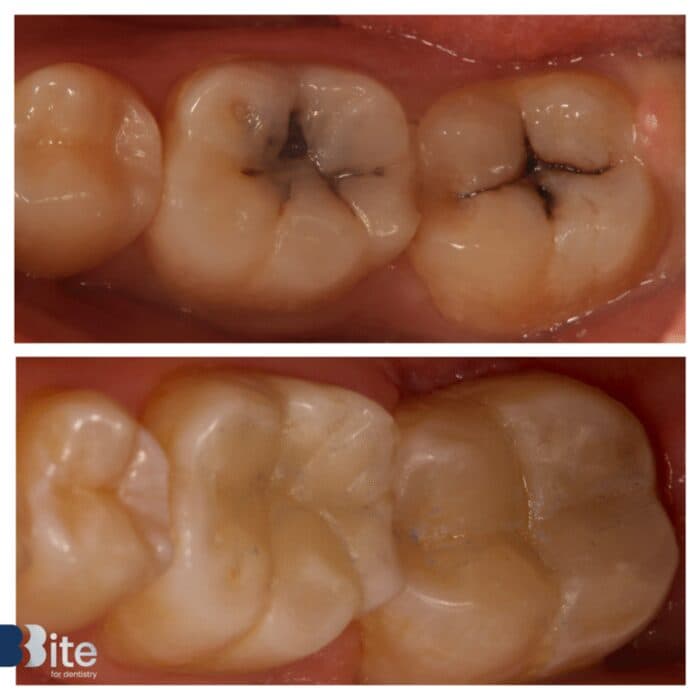
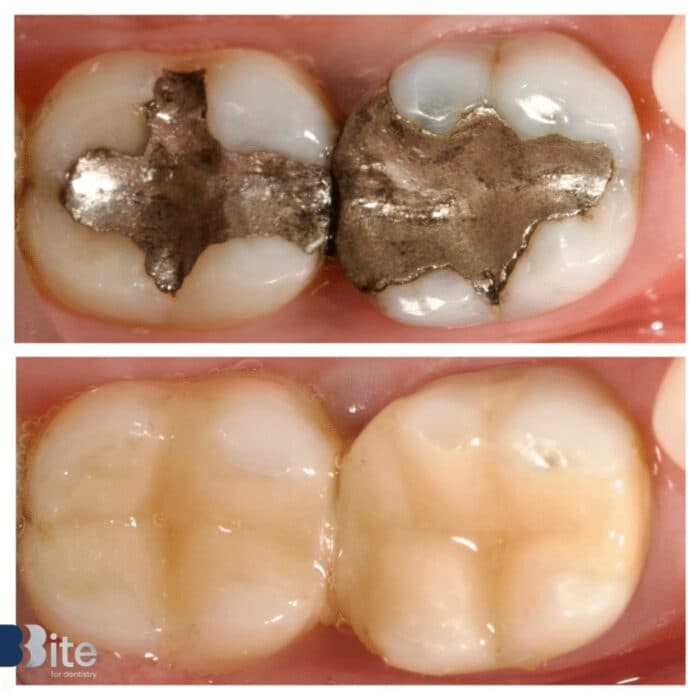
A filling repairs a tooth where decay has worn away part of the healthy structure. I gently clean out the softened, decayed area and rebuild the tooth with a tooth-coloured composite material that bonds to it and is shaped to match your natural bite. The aim is to stop the decay spreading, protect the nerve inside, and let you chew and smile normally again — with a repair that blends in so well most people can't tell it's there.
Signs it might be for you
- A tooth that aches or twinges with sweet, hot, or cold foods and drinks
- A small hole, dark spot, or rough edge you can feel with your tongue
- Food that keeps catching in the same spot between two teeth
- A short, sharp pain when you bite down on something
- Often there are no symptoms at all — many cavities are first spotted at a routine check-up
How it works at Bite
- 1An honest look and a clear explanation
We start with a gentle examination, and a small X-ray if it's needed, so we can see the full picture. I'll show you exactly what's going on and talk you through your options in plain language — no pressure, no jargon. If a filling is the right fix, you'll know why.
- 2Making the tooth comfortable
When the tooth needs numbing, I take time to make that part as painless as possible. Many small, early cavities can even be treated with little or no anaesthetic. You're always in control — we go at your pace, and you can pause any time.
- 3Cleaning and rebuilding the tooth
I carefully remove the decayed part and leave as much of your healthy tooth as possible. Then I build the tooth back up with tooth-coloured composite, layer by layer, and set it firmly in place. Most single fillings take around 20 to 40 minutes.
- 4Shaping, polishing, and checking your bite
I shape the filling to match the natural curve of your tooth, check that it feels right when you bite together, and polish it smooth. You should leave able to eat and smile normally, with a repair that quietly disappears into your tooth.
Real results
Recovery & aftercare
Most people walk out and carry on with their day right away. If the tooth was numbed, that feeling usually wears off within a couple of hours — it's best to wait until then before eating so you don't bite your cheek or lip. A little sensitivity to hot or cold for a few days is normal and settles on its own; if anything feels too high when you bite, or sensitivity lingers beyond a week or two, just message us and we'll adjust it.
Why Bite
At Bite in Erbil, our focus is gentle, careful dentistry that protects as much of your natural tooth as possible. Dr. Jegr is a dentist and endodontist — a root-canal specialist — so cavities are assessed with a real understanding of how to keep the nerve healthy and avoid bigger treatment later. You'll always get an honest explanation first, and the choice stays yours.
Frequently asked questions
Thinking about dental fillings?
The easiest first step is a friendly message — no pressure, just honest advice.
Other treatments
This page is general education, not a diagnosis or treatment plan. For advice about your own teeth, please book a consultation or message the Bite team on WhatsApp.